If your dog or cat needs insulin while you are working, traveling, or managing a busy family schedule, finding the right caregiver can bring deep relief. But medication support is not something to arrange casually.
As a Fear Free Certified pet care professional, Pet First Aid & CPR Trained caregiver, and fully insured local pet sitter, I believe every medication plan should begin with careful questions, clear instructions, and an honest discussion about what your pet can safely handle.
So, can a pet sitter give insulin? Sometimes, yes, but not every sitter accepts injections, and not every pet or medication routine is a safe fit. The right answer depends on the pet’s established routine, the caregiver’s experience, veterinary instructions, visit schedule, and the animal’s comfort level.
Can a Pet Sitter Give Insulin in Louisville?
A professional pet sitter may assist with routine medication administration, including injections, when:
The medication and dose have been prescribed by your veterinarian
Clear written instructions are provided
The pet’s routine is stable and well established
The caregiver has the appropriate training and experience
The animal can be handled safely and without excessive fear or force
There is a clear plan for missed doses, illness, travel delays, and emergencies
Medication administration is different from diagnosing a condition, changing a prescription, deciding on a new dose, or replacing veterinary care. A sitter’s role is to follow the established plan, not make medical decisions independently.
This may include broad assistance with pills, eye or ear medications, topical medications, or injections. However, acceptance is always considered on an individual basis.
For families searching for pet medication administration Louisville or a pet sitter for diabetic pets Louisville, the most important step is to ask specific questions before booking.
What Should a Sitter Know About Insulin?
Insulin requires extra planning because timing, handling, food intake, and safe administration all matter. Before care begins, your sitter should have access to a written plan that includes:
The veterinarian-prescribed dose and schedule
Instructions for storing and handling the insulin
The correct syringe, pen, or other supplies
Instructions for coordinating medication with the pet’s normal meal routine
What to do if the pet will not eat, vomits, or seems unwell
What to do if the pet cannot be safely handled
A sharps-disposal plan
Your veterinarian’s phone number and emergency instructions
The name and location of your preferred emergency clinic
A backup contact who can make decisions if you are unreachable
Your caregiver should never change the prescribed dose, give an extra dose, or “make up” a missed dose without veterinary direction. If the pet does not eat, becomes unusually weak, acts disoriented, has tremors, collapses, or otherwise seems seriously unwell, the sitter should follow the written emergency plan and contact the veterinarian or emergency clinic.
This is why a good pet care Louisville KY plan includes more than leaving a vial in the refrigerator with a quick text message.
Why a Meet-and-Greet Matters for Medication Care
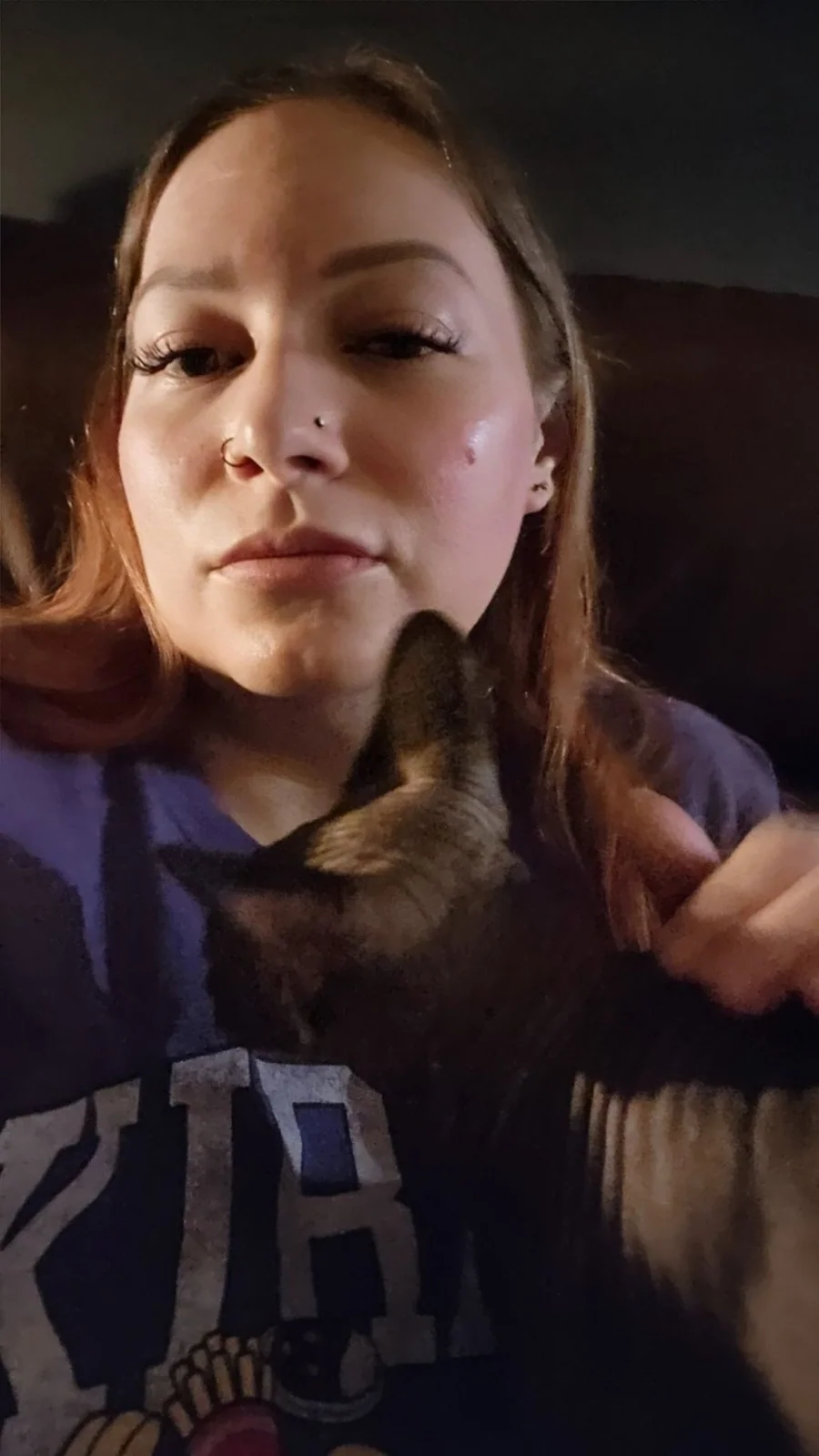
A meet-and-greet gives everyone an opportunity to slow down and prepare. It is especially important for diabetic pets, senior animals, anxious pets, and pets who need injections.
During the meeting, we can discuss:
Where food, medication, syringes, and supplies are kept
How your pet normally responds to handling
Whether the pet hides, guards food, or resists touch
How medication is documented
How the pet behaves before and after administration
Whether the visit length allows enough time to observe eating and comfort
Who should be contacted if something does not go as planned
A trial discussion or practice visit may also be appropriate. Your veterinarian or veterinary team should demonstrate the technique when needed, and the caregiver should only agree to the service if they feel confident following the instructions safely.
I would rather say, “This may not be the right fit,” than accept a care plan that could create unnecessary stress or risk for a pet.
Questions to Ask a Pet Sitter Louisville KY Families Are Considering
Before hiring a sitter, ask:
Training and experience
Have you administered insulin or other injections before?
Are you comfortable caring for diabetic dogs or cats?
Are you Fear Free Certified or trained in low-stress handling?
Are you trained in Pet First Aid & CPR?
What types of medications do you accept?
Scope of service
Will you administer medication only as written?
What happens if my pet refuses food or cannot be safely handled?
Do you monitor the pet before and after medication?
Do you accept senior, anxious, medically complex, or special-needs pets?
Documentation and communication
How do you document each administration?
Will I receive a visit report card and photo?
Will you tell me whether my pet ate and how they behaved?
How quickly will you notify me about a concern?
Emergencies and schedule changes
What is your plan for a missed or late visit?
What happens if severe weather, traffic, illness, or another delay affects timing?
Who transports the pet if emergency veterinary care is needed?
Do you have my written authorization and backup contact information?
Insurance
Are you independently commercially insured?
What does your policy cover?
How is that different from an app’s guarantee?
Independent commercial insurance protects the client, pets, and home under the policy’s terms. An app-based guarantee operates under that platform’s terms, limits, exclusions, and claim process. Those are not identical forms of protection, so it is reasonable to ask for a clear explanation.
At Raven’s K9 to 5, clients also receive communication, photos, detailed report cards, scheduling and invoicing, and GPS-tracked visit information through Time To Pet.
Before You Book: Medication Care Checklist
Use this checklist before arranging insulin or other routine medication support:
✅ Ask whether the sitter accepts the specific medication and administration method
✅ Provide written veterinary and owner instructions
✅ Schedule a meet-and-greet before the first required dose
✅ Discuss a trial visit or practice conversation
✅ Leave enough medication and supplies for the entire booking
✅ Provide the correct storage container or refrigeration instructions
✅ Provide a sharps container if injections are involved
✅ Leave food, treats, cleaning supplies, and a waste-disposal plan
✅ Write down the veterinarian and emergency clinic information
✅ Name a backup decision-maker
✅ Confirm visit timing and travel-delay procedures
✅ Explain how updates will be documented
✅ Book early through Time To Pet
For cats, I require at least one check-in every day, with no skipped days. Cats can hide illness, and a daily visit allows someone to check food, water, litter box use, behavior, medication needs, and the overall home environment.
When to Contact the Veterinarian or Emergency Clinic
Pet sitters should contact the veterinarian or emergency clinic when the written plan says to do so, or whenever the pet’s condition seems concerning.
Contact a veterinary professional promptly if your pet:
Refuses food when medication is connected to eating
Vomits or has repeated diarrhea
Seems weak, confused, shaky, unusually sleepy, or unsteady
Has a seizure, collapses, or cannot stand normally
Has difficulty breathing
Experiences a possible medication error
Cannot be safely handled for the planned medication
Has an unknown or uncertain medication status
Shows a sudden change in behavior or condition
The sitter should not diagnose the problem or decide independently how to alter treatment. The safest action is to follow the veterinarian’s instructions and communicate quickly.
Special Care for Small Animals and Exotic Pets
Medication routines are not limited to dogs and cats. Rabbits, guinea pigs, birds, reptiles, and other exotic pets may also have established medication or monitoring needs.
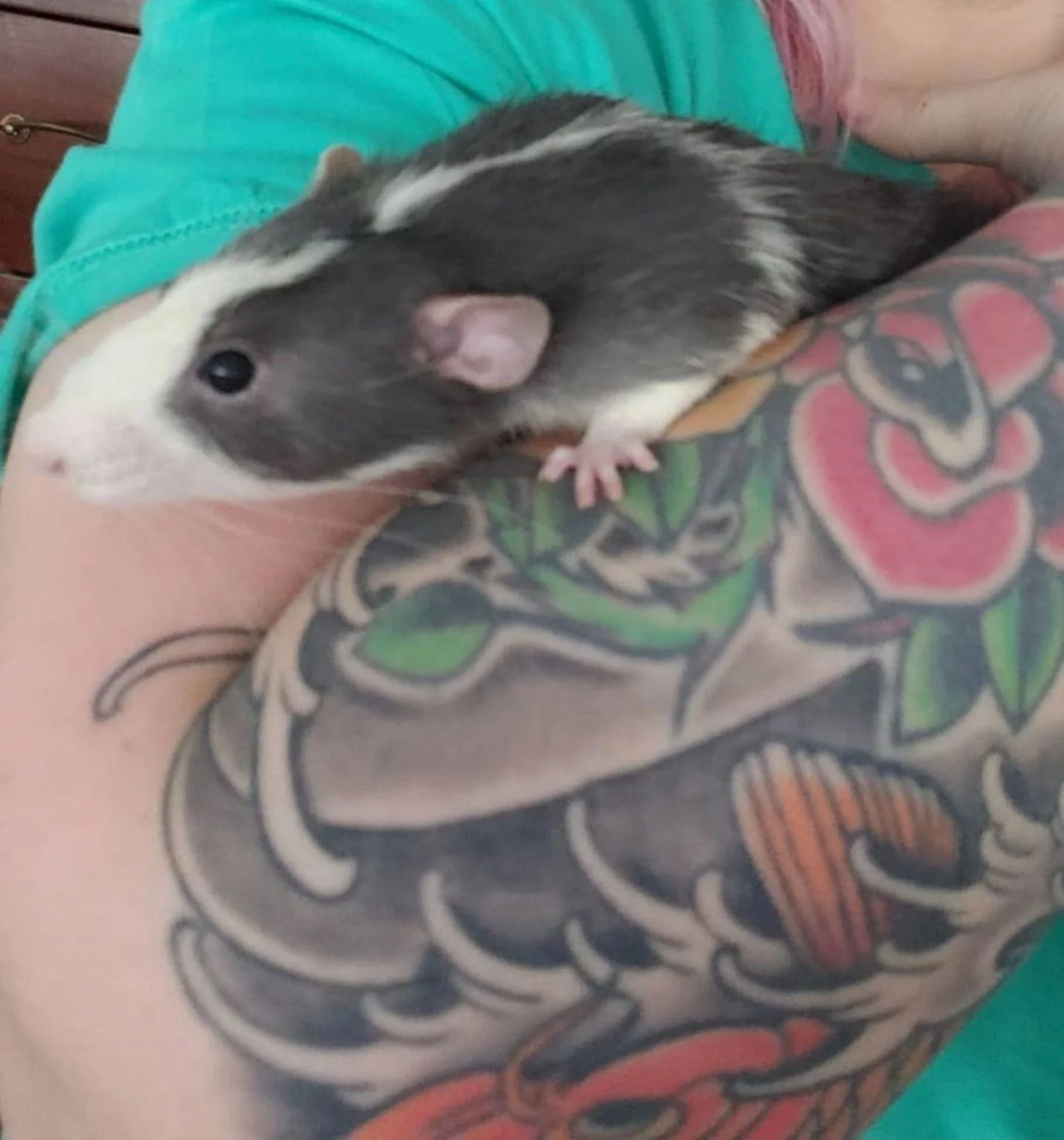
Because these animals can have highly specific feeding, enclosure, temperature, and handling routines, instructions should be especially detailed. Care may be accepted only when the animal’s routine and handling needs are clearly understood and safely manageable.
Raven’s K9 to 5 provides personalized care throughout Louisville, including Highlands, St. Matthews, J-Town, Prospect, Middletown, Lyndon, Hurstbourne, Anchorage, Glenview, Indian Hills, Mockingbird Valley, Springhurst, and Northeast Louisville. Coverage may also extend throughout Kentuckiana, including Floyd Knobs, New Albany, Clarksville, and Jeffersonville.
That means whether you are searching for pet sitters near New Albany Indiana, dog sitting near Clarksville IN, or a dependable pet sitter Louisville KY, the same standard applies: clear communication, realistic scheduling, safe handling, and individualized care.
Frequently Asked Questions
Can every pet sitter give insulin?
No. Some caregivers accept injections, while others only provide pills or topical medications. Experience, training, scheduling, insurance, and the pet’s handling needs all matter.
Can a sitter change my pet’s insulin dose?
No. A sitter should follow the veterinarian’s written instructions and contact the veterinary team when something changes. Owners should never ask a sitter to adjust insulin independently.
What if my pet will not eat?
Your sitter should follow the written plan and contact the veterinarian for instructions. Do not leave the caregiver guessing about whether medication should be given.
Can cats receive daily medication visits?
Yes, when the medication and handling plan are a safe fit. Cats must receive at least one check-in every day; skipped days are not acceptable for routine care and monitoring.
How early should I arrange diabetic pet care?
As early as possible. A meet-and-greet, written plan, supply check, and trial discussion take time. Booking early through Time To Pet gives everyone a better chance to prepare calmly.
Ready to Discuss Your Pet’s Care Plan?
If your dog, cat, small animal, or exotic pet needs routine medication support, I invite you to request a free meet-and-greet and written medication discussion before booking. We can review the instructions, your pet’s comfort level, visit timing, emergency contacts, and whether the care plan is an appropriate fit.
Explore Raven’s K9 to 5 services, visit the main website, or create your client account through Time To Pet.
I am Fear Free Certified, Pet First Aid & CPR Trained, and fully insured: but every medication plan still needs to be evaluated individually.
Medical disclaimer: This article is for general educational purposes and does not replace veterinary advice, diagnosis, or treatment. Always follow your veterinarian’s instructions for insulin, medication administration, emergencies, and changes in your pet’s health.