Most pets do best when their day follows a pattern. When you work long hours, that pattern can have a big gap in the middle. Recurring Drop-In Pet Visits fill that gap on a set schedule, so your pet knows when to expect a potty break, a meal or some company, even on your busiest weeks.
This post focuses on building the weekday routine itself. For a broader look at recurring care, see The Working Pet Parent's Guide to Recurring Pet Care. If you work 12-hour shifts, Pet Care for Nurses and Shift Workers covers that schedule specifically.
Why a recurring schedule helps
A one-time visit solves a single long day. A recurring schedule does more. When visits happen at about the same time on the same days, your pet learns the rhythm. Bathroom breaks become predictable, meals stay on time, and many pets settle more easily when they know someone is coming.
A regular schedule also helps you. You are not booking care from scratch each week, and the same visits show up on the same days while you focus on work.
Step 1: Map your week
Start by writing out a typical week:
What time you leave and get home each day
Which days run long, such as meeting days or late shifts
Days you work from home or have off
How long your pet is comfortable between bathroom breaks
Puppies, senior pets and pets on medication often need visits sooner than a healthy adult dog. Cats usually need less frequent help during the day but still benefit from fresh water, a clean litter box and a check-in.
Step 2: Choose the visit timing
Most workday visits land somewhere in the middle of the day, but the best time depends on your pet. A dog who goes out at 6:30 AM might need a break earlier than one who goes out at 8:30. If your schedule changes from week to week, we can talk through how to handle that during booking.
Not sure whether a drop-in, a walk or daycare fits your pet? Mid-Day Walks, Drop-Ins or Daycare compares the options.
Step 3: Decide what each visit includes
Write down what you want done at each visit so it stays consistent:
Potty break or a short walk
Fresh water and a midday meal if your pet eats one
Medication, if needed, following your written instructions
Litter box scooping for cats
Playtime or quiet company for pets who prefer a calmer visit
For a closer look at a typical visit, see What Happens During a Professional Drop-In Visit in Louisville.
Step 4: Set up the home for easy visits
A few setup details keep each visit focused on your pet:
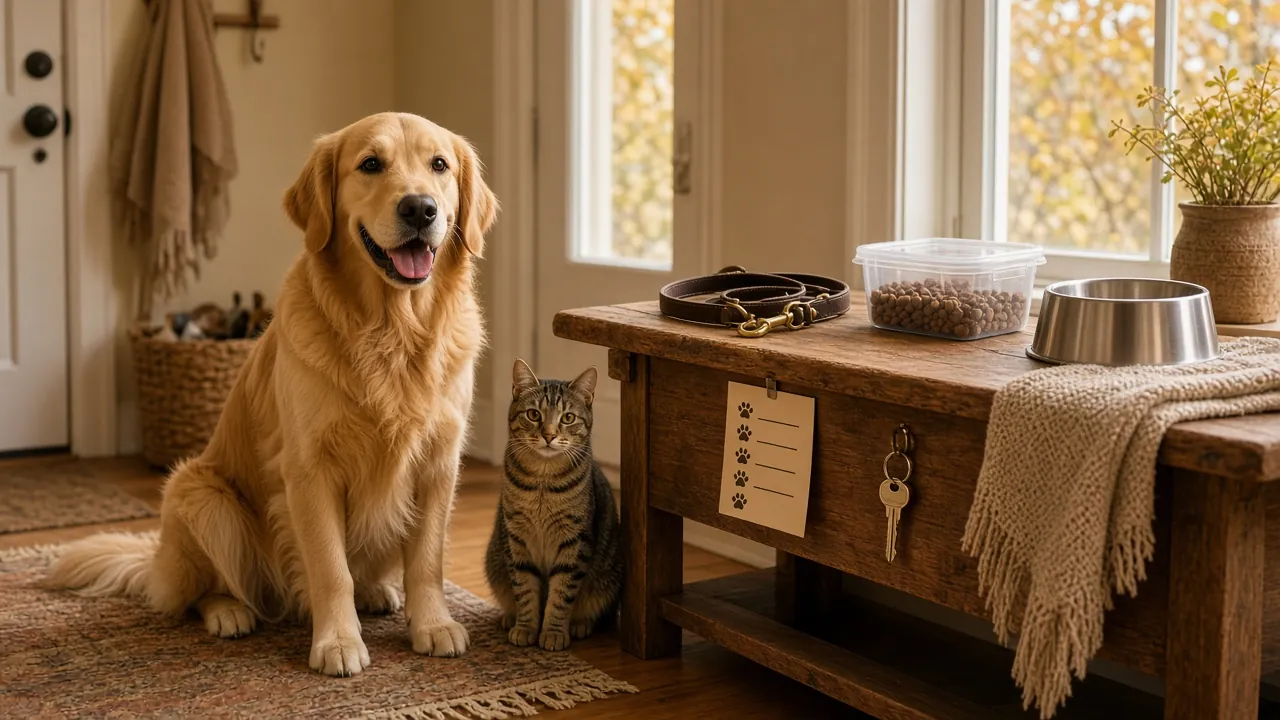
Keep leashes, treats and waste bags in one spot by the door
Store food and any medications in a labeled, easy-to-reach place
Leave your vet's contact information on the fridge or in your written notes
Let me know about any changes, like a new food, a vet visit or a recent upset stomach
What you can expect from me
I keep visits on the agreed schedule and follow the routine you set. During dog walks, GPS tracking shows the route, and I send updates after visits so you can check in from work. I am Fear Free Certified, Pet First Aid & CPR Trained, and Bonded & Insured. If something seems off with your pet, I will reach out to you right away.
Adjusting the routine over time
Routines change. A new job, a puppy growing up, or a senior pet needing more frequent breaks can all mean it is time to adjust. Recurring visits can be revisited as your needs change, and it helps to share those changes as soon as you know about them. For more on why consistency matters, see Why Consistent Pet Care Routines Matter for Your Dog and Your Schedule.
Ready to set up a weekday routine?
Contact me with your typical work schedule and a little about your pet. I will confirm availability and whether your home is within my service area, and we can set up a meet and greet to get started.