
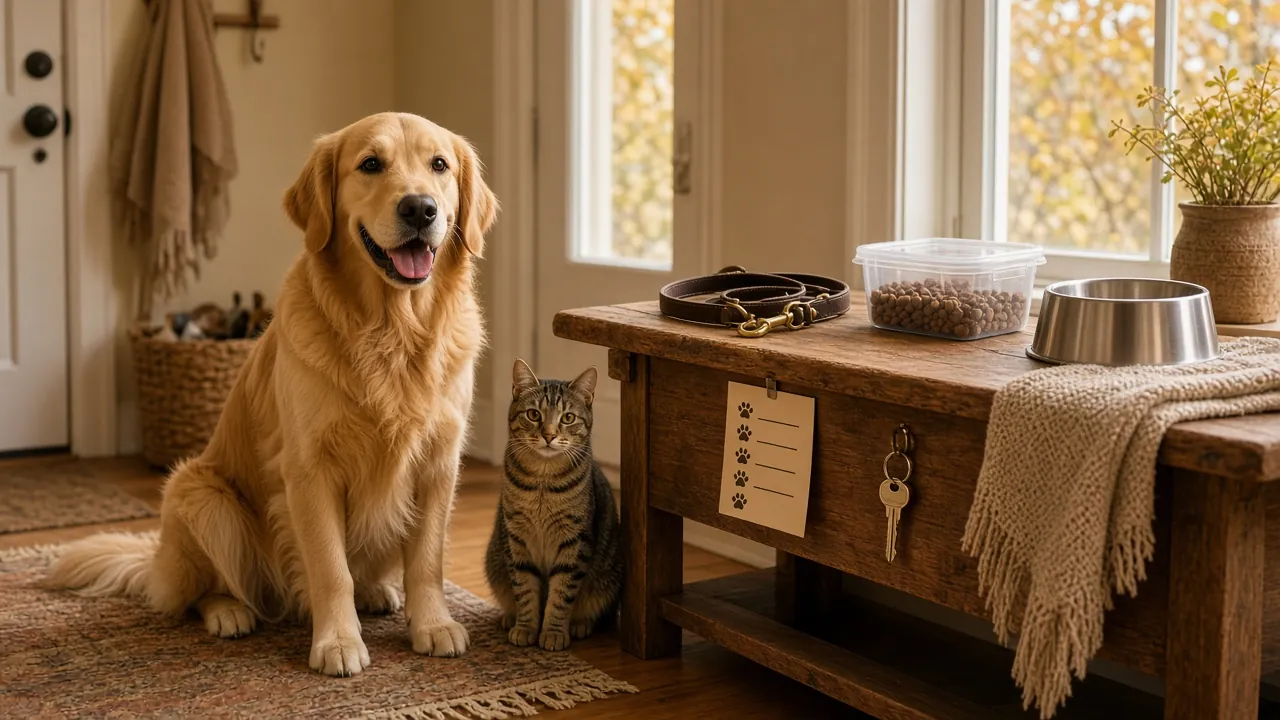
Hiring a professional pet sitter for the first time can feel like a big step. You are trusting someone with your home, your routine, and the animals you love most. The good news is that a little preparation before care begins makes the first visit smoother for everyone, especially your pet.
Whether you live in the Highlands, St. Matthews, Prospect, or across the river in Southern Indiana, this checklist walks you through what to gather, what to share, and how to set your pet up for a calm, predictable experience while you are away.
1. Register and Request Care Early
The first step happens before anyone sets foot in your home. At Raven’s K9 to 5, new clients register in Time To Pet before requesting services. Registering ahead of time gives you a place to store your pet profiles, home details, and care notes in one secure spot.
Starting early also matters because holiday weekends, spring break, and big Louisville event weekends tend to fill quickly. If you are still deciding when to reach out, our article on how much notice a Louisville pet sitter needs covers timing in more detail.
2. Write Down Your Pet’s Real Routine
Pets thrive on consistency. The more closely a sitter can follow what already happens at home, the less your pet will notice that you are gone. Write down the routine as it actually happens, not as you wish it happened.
Feeding: what food, how much, what time, and where the bowl goes
Potty habits: usual times, favorite spots, and any signs your pet needs to go out
Walks and play: preferred route, leash or harness, and favorite toys
Sleep: where your pet sleeps and any bedtime rituals
Quirks: fears, hiding spots, door dashing, counter surfing, or reactions to other dogs
For cats, include litter box locations, the type of litter, and where your cat likes to hide. A cat who disappears under the bed is usually fine, but your sitter should know where to look.
3. Gather Health and Veterinary Information
Even healthy pets can have an unexpected bad day. Make sure your sitter has:
Your regular veterinarian’s name and phone number
The nearest emergency or after-hours animal hospital you prefer
Current vaccination records
A list of allergies, past health issues, and anything your vet has asked you to watch
Written medication instructions, including dose, timing, and how your pet best takes it
It is also smart to let your veterinary office know someone else will be caring for your pet while you are away. If your pet has ongoing medical needs, read what to ask before a sitter gives insulin and talk through the details before booking.
4. Stock Up Before You Leave
Running out of food or litter halfway through a trip is stressful for everyone. Before care begins, check that you have enough of the following to last the entire booking, plus a few extra days in case travel plans change:
Food, treats, and any supplements
Medications and pill pockets
Litter and waste bags
Cleaning supplies for accidents
Spare leash, collar, or harness
Keep everything together in one clearly labeled area so your sitter is not searching cabinets while your pet waits for dinner.
5. Prepare Home Access
Secure, reliable entry is one of the most important parts of in-home care. Decide ahead of time how your sitter will get in, and test it before you leave. A lockbox, keypad code, or garage code can all work when instructions are current and clearly written.
Also note any alarm system steps, gates that need to stay latched, doors that stick, and rooms that should stay closed. If you have a smart doorbell or indoor camera, it is courteous to mention it so expectations are clear on both sides.
6. Pet-Proof for the Time You Are Gone
Your pet may act differently when the household routine changes. Some dogs become more curious; some cats become more mischievous. Take a quick walk through your home and look for:
Trash cans and food left within reach
Cords, small objects, and medications on low surfaces
Houseplants that are unsafe for pets
Loose fence boards or gate latches
Windows or screens a cat could push open
Our guide to the hidden dangers of people food is a helpful refresher on items to put away.
7. Choose the Right Type of Care
Not every pet needs the same kind of support. Think honestly about your pet’s age, energy, health, and how long they are comfortable alone.
Drop-In Pet Visits can work well for independent pets who mainly need meals, potty breaks, litter care, and companionship at set times.
Overnight House Sitting may be a better fit for pets who do not like long stretches alone or households that want someone present overnight.
Dog Walking helps active dogs and busy work schedules.
If you are torn between options, House Sitting vs. Drop-In Visits breaks down the differences. You can compare every option on the Services & Rates page.
8. Review Policies and Share How You Like Updates
Before your first booking, take a few minutes to read the Client Policies so you know how scheduling, changes, and cancellations work. Then let your sitter know how you prefer to hear updates. Some pet parents love photos at every visit; others just want a quick note that all is well.
Clear expectations on both sides are what turn a first booking into a long-term care relationship.
9. Leave a Short “Just in Case” Note
Finally, leave a simple note in an obvious place with:
Your travel dates and the best way to reach you
A trusted local backup contact
Where the pet carrier, first aid supplies, and flashlight are kept
Your water shut-off and breaker box location
You will probably never need most of it, but having it written down gives everyone peace of mind.
Ready for Your First Booking?
Preparing for a new pet sitter does not have to be complicated. A clear routine, current health information, enough supplies, and reliable home access set the stage for calm, consistent care.
If you are in Louisville or the surrounding Kentuckiana area, start by registering in Time To Pet, then explore our services or get in touch with questions. We look forward to meeting your crew.