Frequent travel can be exciting, but arranging dependable pet care before every trip may feel overwhelming. Whether you travel for work from Norton Healthcare or UofL, take regular weekend trips, or spend time away from home for family and vacation plans, your pet still needs a safe, predictable routine.
The best care plan depends on more than your travel dates. It should account for your pet’s age, health, temperament, bathroom schedule, exercise needs, medication, and comfort with being alone.
For pet parents comparing house sitting vs drop in visits, here is a simple way to decide what fits best.
House Sitting vs. Drop-In Visits: What Is the Difference?
Overnight house sitting
With overnight pet sitting, a caregiver stays in your home for the agreed-upon overnight period. Your pets remain in their familiar environment, with their usual food, beds, medications, walking routes, and routines.
House sitting may include:
Feeding and fresh water
Walks and potty breaks
Medication administration
Playtime and companionship
Evening and morning routines
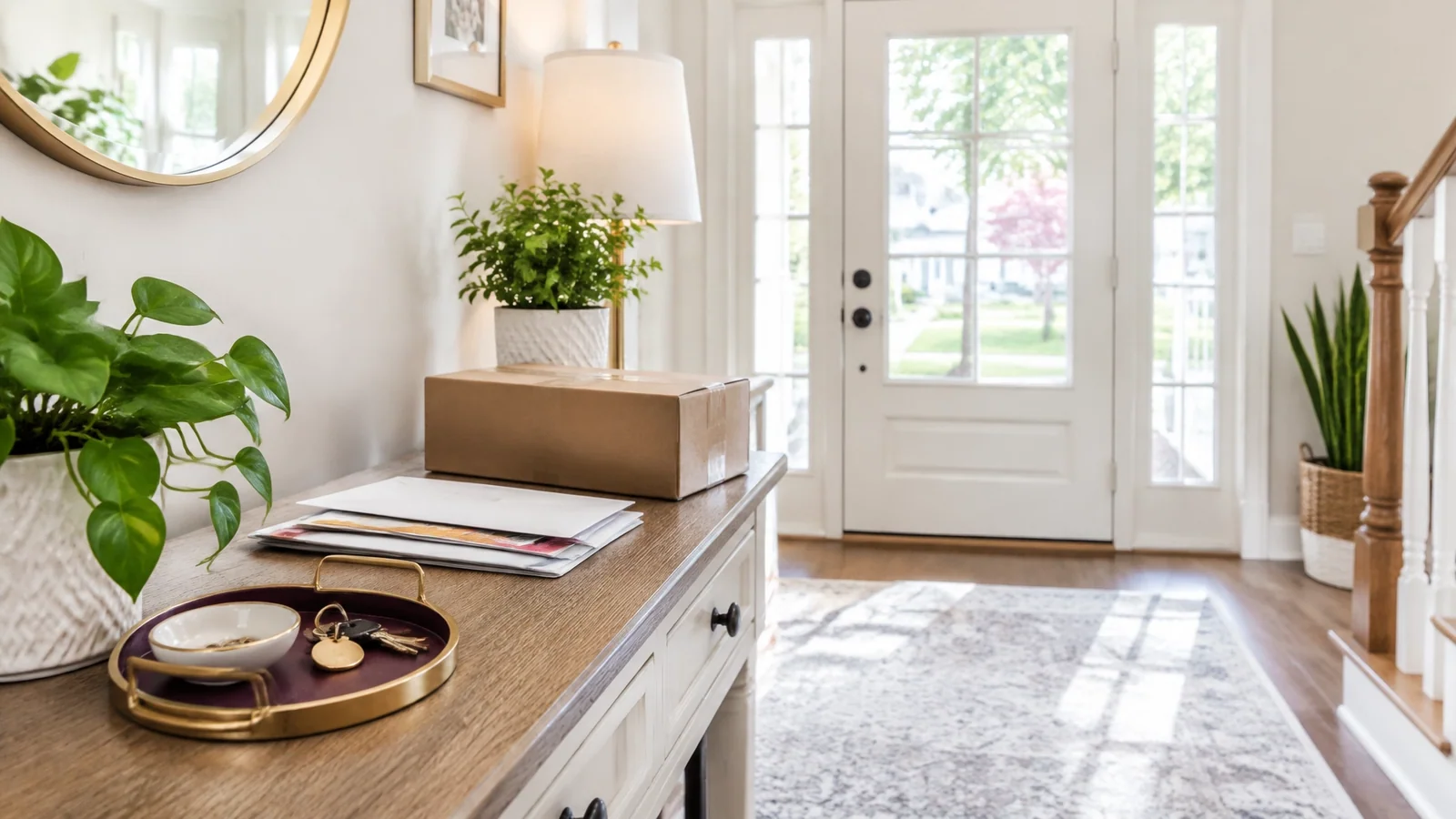
Mail and package collection
Light rotation of lights
Plant watering and basic home checks
This is often the most peaceful option for senior pets, anxious animals, multiple pets, and households that need more than a few short visits.
Drop-in visits
Drop-in visits are scheduled check-ins during the day. Depending on your pet’s needs, a visit may include feeding, water, potty relief, litter box care, medication, play, and companionship.
Drop-ins can be a more budget-conscious option when pets are comfortable alone between visits. They also work well for healthy, independent adult pets with a predictable routine.
Home presence visits
Home presence visits Louisville homeowners request may focus on the home as much as the pet. These visits can include checking doors, bringing in packages, rotating lights, watering plants, and helping the home appear occupied while you are away.
A home presence visit is not automatically the same as pet sitting. If pets live in the home, we still need to create a schedule that meets their care needs.
24-hour care
Some pets cannot safely be left alone for extended periods. 24-hour care may be appropriate for pets with significant medical needs, severe anxiety, mobility concerns, recovery requirements, or owner preferences for continuous supervision.
This care level should be discussed during a meet-and-greet so the schedule, responsibilities, and expectations are clear.

Which Care Option Fits Your Pet?
Senior pets
Older dogs and cats may need more frequent bathroom breaks, help navigating stairs, meal changes, or medication. House sitting is often a smart choice when a senior pet becomes restless, confused, or uncomfortable when left alone.
Drop-ins may still work for a stable senior who eats, eliminates, and rests normally between visits. The schedule should be based on the pet: not a generic package.
Anxious pets
Anxious pets may feel safer when someone remains in the home. Familiar smells, furniture, sounds, and routines can reduce the stress that comes with boarding or moving to an unfamiliar location.
For a dog with separation anxiety, overnight house sitting may provide deep relief. For a shy cat who prefers solitude, a calm daily drop-in may be less disruptive than having someone stay overnight.
Dogs needing frequent potty breaks
Puppies, seniors, dogs with urinary conditions, and dogs that drink more water may need several breaks throughout the day. If the time between drop-ins would be too long, house sitting or a more frequent visit schedule may be safer.
Cats
Cats are often independent, but they should not be ignored simply because they use a litter box. Cats must be checked at least once every day, with no skipped days, while their owners are away.
A daily cat visit should include:
Fresh food and water
Litter box care
A basic wellness check
Medication, if needed
Play or companionship according to the cat’s personality
Checking for unusual behavior, vomiting, injuries, or household concerns
Healthy, independent cats may do well with daily drop-ins. Social, elderly, anxious, or medically complicated cats may benefit from longer visits or house sitting.
Medical needs
Medication can sometimes be handled during drop-in visits when instructions are clear and the pet can be safely handled. However, pets who need frequent monitoring, injections, eye or ear medication, recovery observation, or multiple treatments may need house sitting or 24-hour care.
Raven’s K9 to 5 is Fear Free Certified and Pet First Aid & CPR Trained. We are also fully insured. Care is accepted only when the pet can be handled safely and the instructions are appropriate for the service requested.
For additional guidance, read our post on medication questions for Louisville pet owners.
Multiple pets
A household with dogs, cats, birds, rabbits, reptiles, or other animals may need more time than a standard visit allows. House sitting can make it easier to maintain different feeding schedules, medication routines, enclosure checks, and enrichment needs.
Independent adult pets
Healthy adult dogs and cats with simple routines may be comfortable alone for reasonable periods. Drop-ins can be a practical option when they receive dependable meals, bathroom breaks, exercise, and companionship.
How to Calculate the Care Your Pet Needs
Before choosing a service, write down what your pet needs during a normal day. Then compare that list with the time you will be away.
Consider:
Time alone: How many hours can your pet comfortably stay alone?
Feeding: How many meals are needed, and at what times?
Medication: Does medication need to be given once, twice, or several times daily?
Bathroom breaks: How often does your pet need outdoor access or litter box care?
Exercise: Are walks required, or is indoor enrichment enough?
Companionship: Does your pet become distressed when left alone?
Home tasks: Do you need mail, packages, plants, lights, or doors checked?
Emergency planning: Who should be contacted if your pet becomes ill?
If your plan leaves a large gap in supervision, increase the visit frequency or consider house sitting.
A Practical Travel-Planning Timeline
Four to six weeks before travel
Review your pet’s daily routine.
Decide whether drop-ins, house sitting, home presence visits, or 24-hour care fit best.
register in Time To Pet to request care.
Confirm medication instructions and emergency contacts.
Create or update your client profile in the Time To Pet booking portal.
Two to three weeks before travel
Finalize dates and visit times.
Make sure food, medication, litter, waste bags, and enrichment supplies are available.
Share alarm, entry, veterinarian, and household instructions.
Schedule a practice visit if your pet is nervous about new caregivers.
One week before travel
Confirm your transportation and departure details.
Check that your pet’s identification and emergency information are current.
Refill prescriptions and avoid making major routine changes.
Confirm the care plan through Time To Pet.
The day before departure
Leave clear written instructions.
Put supplies where they are easy to find.
Share your travel contact information.
Confirm the caregiver has access to your home.
What About Insurance and App-Based Guarantees?
When comparing providers, ask what protection actually applies to your pets and home.
Some app-based platforms advertise guarantees or limited protection. These programs may have eligibility rules, exclusions, claim requirements, or limits. They are not always the same thing as an independent commercial insurance policy.
Raven’s K9 to 5 is fully insured, which is intended to protect the business, clients, pets, and homes according to the terms and limits of the policy. It is reasonable to ask any caregiver:
Are you independently commercially insured?
What types of incidents are covered?
Are medication errors, property damage, or injuries included?
Who handles the claim?
Are there exclusions I should understand?
Clear answers help you make a smart choice instead of assuming every “guarantee” offers the same protection.
Helpful Products for Frequent Travelers
A few tools can support: not replace: professional pet care:
Pet camera: Useful for checking general activity between scheduled visits. A camera should not be used to replace required in-person care.
Automatic pet feeder: May help with predictable meal timing, but test it before travel and continue arranging human wellness checks.
Travel pet water bowl: Helpful for walks, road trips, and transportation between Louisville, Floyd Knobs, New Albany, Clarksville, and Jeffersonville.
Choosing Care in Louisville and Kentuckiana
Raven’s K9 to 5 provides personalized care throughout Louisville, including Prospect, Glenview, St. Matthews, Indian Hills, Mockingbird Valley, Middletown, Lake Forest, Springhurst, Anchorage, Lyndon, Northeast Louisville, Hurstbourne, the Highlands, Cherokee Park, and Jeffersontown.
We also serve families looking for pet sitters near New Albany Indiana, dog sitting near Clarksville IN, care in Floyd Knobs, and pet sitting Jeffersonville Indiana.
Whether you need house sitting Louisville KY, in-home pet sitting Louisville KY, daily drop-ins, or home presence visits, the right plan should leave your pet safe and your mind at ease.
Review services and pricing, then create your client account. A free meet-and-greet is the best way to discuss your travel schedule, your pet’s routine, and the care level that fits.
Advance booking is strongly recommended, especially for holidays, summer travel, recurring business trips, and extended stays. With reliable communication, GPS-tracked visits, detailed photo report cards, and Fear Free care from a Pet First Aid & CPR Trained professional, you can travel with greater confidence while your pets remain comfortable at home.
Disclaimer: This post contains affiliate links. If you purchase through these links, Raven's K9 to 5 may earn a small commission at no extra cost to you.