
I understand why sharing food feels like love. When your dog gives you those hopeful eyes from beneath the kitchen table, or your cat gently taps your arm during dinner, it can be difficult to say no.
As a pet parent and local professional, I have handed out plenty of treats myself. The goal is not to make you feel guilty about one small, vet-approved bite. Instead, this guide is about understanding the difference between an occasional safe treat and a regular diet of table scraps.
For Louisville-area families searching for dog health tips Louisville, the most important takeaway is simple: people food is not automatically pet-safe, and repeated table scraps can create problems that build slowly over time.
1. Why everyday table scraps can become a health problem
People food covers a very broad category. It includes leftover meat, fast food, cheese, chips, deli meats, fried foods, desserts, sauces, gravies, and small bites from your plate.
Even when a food is not technically poisonous, it may still be a poor choice for your pet because it can be:
High in calories
High in fat
Very salty
Heavily processed
Seasoned with onion or garlic
Difficult to digest
Nutritionally incomplete for the species
Pets are much smaller than people, so a bite that seems tiny to us may represent a significant portion of their daily calories. Repeated extras can contribute to weight gain and obesity, which may place additional stress on the joints, heart, breathing, and metabolism.
Poor diet quality and excess weight may also contribute to chronic inflammation and increased disease risk. That does not mean table scraps directly cause cancer. Health is complicated, and no single food explains every illness. However, obesity, chronic inflammation, and certain highly processed dietary patterns can be part of a broader health picture that should be discussed with your veterinarian.
This is an important part of pet nutrition safety: a food can be non-toxic but still not be healthy as a regular habit.
2. Immediate dangers: toxic foods and emergencies
Some people foods can cause a medical emergency after only one exposure. Common hazards include:
Chocolate, especially dark chocolate, baking chocolate, and cocoa powder
Xylitol, also called birch sugar, found in some sugar-free gum, candy, baked goods, toothpaste, and other products
Grapes and raisins
Onions, garlic, chives, and related seasonings
Alcohol
Caffeine, including coffee, tea, energy drinks, and some supplements
Macadamia nuts
Raw yeast dough
Cooked bones
The danger may not always be obvious right away. Chocolate and caffeine can affect the heart and nervous system. Xylitol can cause dangerously low blood sugar and possible liver injury in dogs. Grapes and raisins have been linked to kidney damage in dogs, and the amount that causes illness can vary.
Onions and garlic can irritate the digestive tract and damage red blood cells. Cooked bones may splinter, creating a choking hazard, intestinal obstruction, or even internal injury.
If your pet eats a potentially toxic food, do not wait for symptoms. Contact your veterinarian, an emergency veterinary clinic, or a pet poison service promptly. In the United States, resources include the ASPCA Animal Poison Control Center at (888) 426-4435 and Pet Poison Helpline at (855) 764-7661.
Have the package, ingredient list, approximate amount, and time of ingestion available. Do not induce vomiting or give home remedies unless a veterinary professional specifically instructs you to do so.
3. High-fat foods can trigger severe digestive upset
Fatty foods are another concern, even if they contain no classic toxin. Bacon grease, sausage, fried foods, poultry skin, fatty meat trimmings, gravy, butter, rich sauces, and large amounts of cheese can overwhelm some pets’ digestive systems.
Possible results include:
Vomiting
Diarrhea
Loss of appetite
Lethargy
Abdominal pain
Dehydration
Pancreatitis
Pancreatitis is inflammation of the pancreas and can range from mild to life-threatening. Some pets are more vulnerable than others, including pets with a previous history of pancreatitis, obesity, or other medical conditions.
A hunched posture, repeated vomiting, weakness, painful belly, refusal to eat, or unusual lethargy after eating rich food deserves a prompt call to your veterinarian.
Severe digestive upset can also occur after sudden diet changes. A pet who normally eats a consistent complete-and-balanced diet may react poorly when several new foods are added in one day.

4. Long-term concerns: weight, imbalance, and behavior
The cumulative effects of people food are often less dramatic than poisoning, but they can still matter.
Excess calories and obesity
Regular scraps can quietly add hundreds of calories over a week. Extra weight may increase the risk of joint strain, reduced activity, diabetes, breathing problems, and other health concerns.
Nutritional imbalance
Dogs and cats require species-appropriate nutrition. A commercial diet labeled complete and balanced is formulated to meet specific nutritional needs. Human foods rarely provide that balance, especially when they begin replacing regular pet food.
Cats have particularly specific nutritional requirements. A homemade or improvised diet should never be used long term without guidance from a veterinarian or a board-certified veterinary nutritionist.
Chronic digestive upset
Frequent changes may lead to loose stool, gas, vomiting, or food sensitivities. If your pet repeatedly has digestive symptoms, bring the pattern to your veterinarian rather than simply switching foods over and over.
Learned begging
Sharing from your plate teaches pets that begging works. This can lead to persistent whining, jumping, counter-surfing, scavenging, or food guarding. Consistent boundaries are not unkind: they help pets feel secure and make daily life calmer.
If you need reliable care while you are working, traveling, or managing a changing schedule, you can create a client account through the Time To Pet portal to register in Time To Pet to request care.
5. Safer ways to show your pet love
A complete-and-balanced, species-appropriate diet should remain the foundation of your pet’s nutrition. Before making changes, discuss your pet’s food, weight, treat allowance, allergies, and medical history with your veterinarian.
You can still show plenty of love without sharing from your plate:
Offer species-appropriate treats in small portions.
Use a plain, vet-approved food only when appropriate for your individual pet.
Try a dog treat puzzle for enrichment.
Use a lick mat if your veterinarian agrees it fits your pet’s needs.
Store approved treats in a secure treat container.
Take a walk or enjoy a gentle play session.
Offer grooming, training, enrichment, or calm companionship.
Give your pet a quiet place to rest.
Remember: food safety varies by species. This is especially important in multi-pet homes with dogs, cats, rabbits, birds, reptiles, horses, goats, or other small and exotic animals. Before offering any unfamiliar food, owners should consult their veterinarian or a species-appropriate veterinary source. Keep each species’ food separate and follow the established feeding instructions carefully.
Safe-treat checklist
Before offering any treat, ask:
✅ Is it approved for my pet’s species?
✅ Is it free from chocolate, xylitol/birch sugar, onion, garlic, alcohol, and caffeine?
✅ Is it low enough in fat and calories for my pet?
✅ Is the portion appropriate for my pet’s size?
✅ Has my veterinarian approved it for allergies or medical conditions?
✅ Can my pet eat it safely without choking?
When to call the veterinarian
Contact your veterinarian promptly after suspected ingestion of a toxic or dangerous food, especially if your pet may have eaten chocolate, xylitol/birch sugar, grapes, raisins, onions, garlic, alcohol, caffeine, macadamia nuts, raw dough, or cooked bones.
Seek urgent care for:
✅ Repeated vomiting or diarrhea
✅ Tremors, seizures, collapse, or severe weakness
✅ Trouble breathing or an abnormal heart rate
✅ Pale gums or unresponsiveness
✅ A swollen or painful abdomen
✅ Wobbliness, extreme sleepiness, or unusual agitation
✅ Refusal to eat after consuming a rich meal
Compassionate pet care across Louisville and Kentuckiana
At Raven’s K9 to 5, I follow each pet’s established routine and written instructions during dog walks, drop-in visits, daycare, overnight house sitting, boarding, medication visits, and specialized animal care. I am Fear Free Certified, Pet First Aid & CPR Trained, and fully insured. Clients receive GPS-tracked visit information, detailed photo report cards, and reliable communication through the Time To Pet system.
It is also important to understand what that insurance means. My independent commercial insurance is designed to help protect the client, pets, and home under the policy terms. By contrast, any app-based guarantee operates under the platform’s own terms, limits, and conditions and is not the same as independent commercial insurance. If you are comparing providers, that distinction matters and can offer meaningful peace of mind when someone is caring for your animals and entering your home.
I provide personalized pet care throughout Louisville, Kentucky, including Prospect, Glenview, St. Matthews, Indian Hills, Mockingbird Valley, Middletown, Lake Forest, Springhurst, Anchorage, Lyndon, Northeast Louisville, Hurstbourne, the Highlands, Cherokee Park, and Jeffersontown. Service coverage also extends throughout the surrounding Kentuckiana area, including Floyd Knobs, New Albany, Clarksville, and Jeffersonville, Indiana.
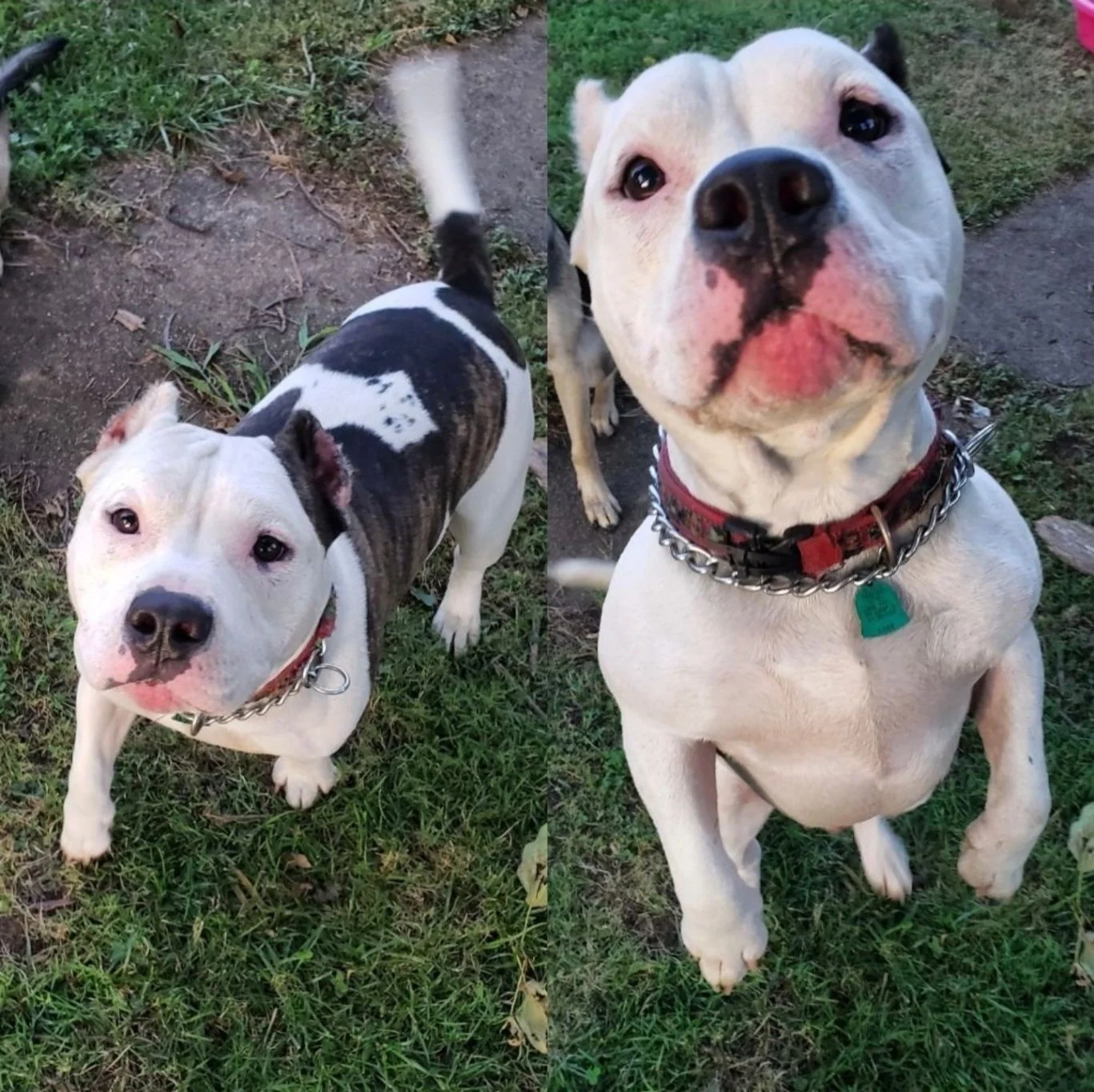
As your pet sitter Louisville KY, I will follow your feeding instructions carefully: but nutrition changes, new diets, and medical concerns should always be discussed with your veterinarian first.
Review services and pricing, then register in Time To Pet to request care through the Client Portal. Whether you are searching for pet care Louisville KY, pet sitters near New Albany Indiana, or dog sitting near Clarksville IN, booking early is a smart choice for a peaceful pet and deep relief while you are away.
Disclaimer: This post contains affiliate links. If you purchase through these links, Raven's K9 to 5 may earn a small commission at no extra cost to you.